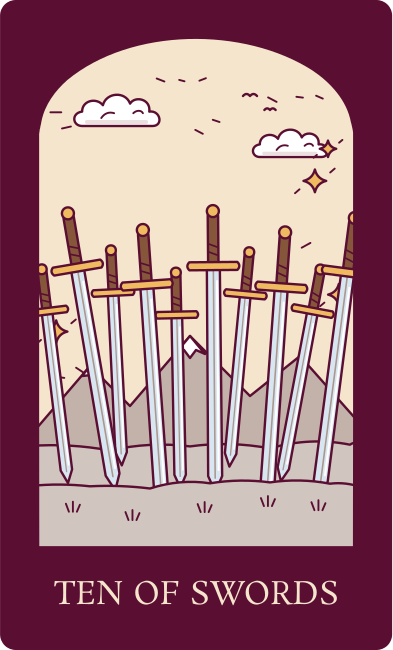
A figure lies face down beneath a dark sky, ten swords driven into their back, while a golden dawn breaks on the horizon. The image is grim, yet the light is unmistakable. The Ten of Swords is the card of a painful but final ending, of hitting bottom and the strange relief of knowing it cannot get worse.
Upright Ten of Swords Meaning
painful endingrock bottombetrayalthe worst is over
The Ten of Swords is a painful, definitive ending, the moment something is truly over. It can feel dramatic, even brutal: betrayal, collapse, defeat, or rock bottom. But look at the dawn breaking behind the fallen figure. This is the darkest point, which means the worst has already happened and there is nowhere to go but up. There is a strange mercy in finality; when something is completely finished, you can finally stop fighting it and begin again. The card asks you to accept the ending rather than cling to what is gone. Yes, it hurts, and the sense of defeat is real. But the ten swords have done their work, and no more can be added. Whatever collapsed needed to end, and the light on the horizon is not an illusion. Recovery begins here.
Upright Love
A painful but final relationship ending
Upright Career
A decisive, painful professional ending
Upright Finances
Hitting financial bottom, the worst is over
Upright Ten of Swords: Love
In love, the Ten of Swords marks a painful but final ending, a breakup, betrayal, or the definitive close of a relationship. It can feel devastating, like the ultimate defeat. But this finality also frees you. Whatever was breaking is now fully over, and there is nothing left to salvage or agonize over. The dawn on the horizon is real. Let yourself grieve the ending, but do not try to resurrect what has completely died. The worst has passed, and this ending, however brutal, clears the way for genuine renewal ahead.
Career Meaning — Upright Ten of Swords
At work, the Ten of Swords signals a decisive professional ending, a job loss, a project's collapse, a betrayal, or a role that has definitively run its course. It may feel like being stabbed in the back or hitting bottom. Yet the finality is a kind of release. What is over is truly over, and you can stop pouring energy into a losing situation. The dawn suggests a fresh start ahead. Accept the ending, salvage the lessons, and turn toward the new beginning that this painful closure, however unwelcome, makes possible.
Finances Meaning — Upright Ten of Swords
Financially, the Ten of Swords can mean hitting bottom, a significant loss, a failed venture, or a money situation collapsing completely. It is a hard landing, but it is also the end of a long decline. Things have reached their lowest point, which means the bleeding stops here. Accept the reality of the loss rather than fighting it, and recognize that from rock bottom the only direction is up. The dawn is breaking. Begin the rebuild from solid, if painful, ground, knowing the worst is now behind you.
Upright Ten of Swords as Feelings
They may feel that something has come to a painful end, a sense of finality, defeat, or being deeply hurt in connection with you. Whatever they feel is colored by the sense that a chapter is over, perhaps accompanied by exhaustion or a wish to stop struggling. There may be grief or resignation rather than active warmth. Their emotions are at a low, final point, though the possibility of renewal quietly waits beyond it.
Upright Ten of Swords as Actions
Accept the ending rather than clinging to what is already gone. Stop fighting to revive something that has completely died, and let yourself grieve the loss honestly. Recognize that from rock bottom the only way is up, and that the dawn on the horizon is real. Salvage the lessons, release the rest, and turn toward the fresh start that this painful but final closure makes possible.
Reversed Ten of Swords Meaning
recoveryregenerationsurvivingresisting the end
Reversed, the Ten of Swords is about recovery, regeneration, and surviving the worst. You are rising from a painful ending, dusting yourself off, and discovering that you made it through. The dawn the upright card promised is now fully arriving. This is resilience: the crisis has passed, and you are rebuilding stronger and wiser. Sometimes, though, reversed warns of resisting a necessary ending, refusing to let something die that clearly needs to, and thereby prolonging your own suffering. It can also mean fearing the worst is coming, or being stuck in the victim role long after the wound. The invitation is to fully release what is over and embrace the recovery. You have survived the collapse; do not keep lying among the swords when you are able, at last, to rise.
Reversed Love
Recovering from heartbreak, or dragging out the end
Reversed Career
Bouncing back, or resisting a due ending
Reversed Finances
Rebuilding after a loss, or avoiding the inevitable
Reversed Ten of Swords: Love
In love, reversed brings recovery after a painful ending, the slow rising back to life after heartbreak. You are healing, regaining strength, and rediscovering hope. Alternatively, it warns of clinging to a relationship that needs to end, dragging out the pain by refusing to accept the inevitable. Be honest about which applies. If the ending has come, let recovery take you forward. If you are prolonging a dying relationship out of fear, releasing it is the only way to stop the suffering and finally begin to heal.
Career Meaning — Reversed Ten of Swords
At work, reversed signals bouncing back from a professional low, recovering from a job loss or failure and rebuilding with hard-won wisdom. The worst is behind you and your resilience is showing. Alternatively, it can warn of resisting an ending that is clearly due, clinging to a role or project that needs to close and prolonging the struggle. If recovery is underway, keep rising. If you are refusing an inevitable professional ending, accepting it now will spare you a slower, more painful version of the same conclusion.
Finances Meaning — Reversed Ten of Swords
Financially, reversed points to recovery after a serious setback, slowly rebuilding after a loss and finding your footing again. The lowest point has passed and stability is returning. Alternatively, it can warn of avoiding a necessary financial ending, clinging to a failing venture or arrangement rather than cutting your losses. If you are recovering, keep going steadily. If you are prolonging a losing situation out of denial, accepting the loss and starting fresh will ultimately cost you far less than dragging it out.
Reversed Ten of Swords as Feelings
They may be recovering from a painful low connected to you, slowly healing and regaining hope after a hard ending. Their feelings are on the mend, rising back toward warmth and possibility. Alternatively, they may be resisting an ending they know is due, holding onto something that hurts rather than letting go. Their emotional state is transitional, either climbing out of the low or reluctantly lingering in it.
Reversed Ten of Swords as Actions
Rise. You have survived the collapse, so stop lying among the swords and begin the recovery you are capable of. Embrace the regeneration and rebuild with the wisdom the pain gave you. If instead you are clinging to something that clearly needs to end, be honest and release it, because prolonging a dying situation only extends the suffering. Accept what is over, and let your resilience carry you forward.
Ten of Swords and the Suit of Swords
As the Ten, this card completes the Swords suit, carrying the mind's journey to its final, painful conclusion. Tens signal fulfillment, and here that fulfillment is an ending: the accumulated weight of thought, conflict, and anguish reaching its absolute limit. It represents rock bottom and the dawn that follows, the point where the intellect's suffering exhausts itself. From this finality, a new cycle of the mind can at last begin.